

UNS N06625 Inconel 625 Lapped Joint Flanges Manufacturer Stockist Exporter
UNS N06625 Inconel 625 Lapped Joint Flanges – Worldwide Exporter
Synergy Engineering Solution is a leading manufacturer, stockist, supplier and worldwide exporter of UNS N06625 Inconel 625 Lapped Joint Flanges. We supply nickel alloy flanges for demanding industrial applications where corrosion resistance, mechanical strength, dimensional reliability and long-term service performance are important. With a strong focus on Middle East markets, we support customers, distributors, EPC contractors, fabricators and industrial procurement teams in UAE, Saudi Arabia, Oman, Qatar, Kuwait, Bahrain and other international destinations.
UNS N06625, commonly known as Inconel 625 or Nickel Alloy 625, is a nickel-chromium-molybdenum-niobium alloy developed for demanding corrosion-resistant and high-strength applications. Lapped Joint Flanges made from this alloy can be selected for compatible piping systems where the engineering specification calls for the corrosion resistance and performance associated with UNS N06625.
A lapped joint flange assembly generally uses a loose flange together with a separate lap-joint stub end. This configuration can be useful where frequent dismantling, alignment or rotation of the flange is required. The exact design, dimensions, pressure class, facing and material requirements should always be confirmed against the project standard and purchase specification.
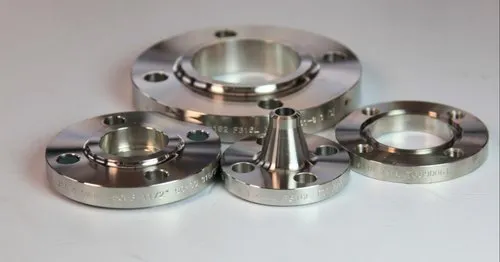
What Are UNS N06625 Inconel 625 Lapped Joint Flanges?
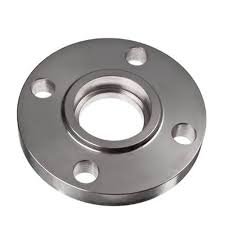
UNS N06625 Inconel 625 Lapped Joint Flanges are flange components associated with Inconel 625 nickel alloy piping systems. In a lapped joint arrangement, the flange itself is typically used as a loose backing flange while the sealing and mating arrangement is provided by the corresponding lap-joint stub end.
The design allows the flange to rotate around the pipe axis before bolting. This can simplify bolt-hole alignment during installation and maintenance. Lapped joint systems are particularly useful in applications where piping components may need to be frequently dismantled or where alignment is an important installation consideration.
For nickel alloy piping systems, the selection of the flange and stub-end materials should be based on the complete engineering design. The corrosion environment, pressure, temperature, fluid chemistry, flange dimensions, gasket selection and applicable piping code all influence the final material selection.
Types Of Flanges manufacturer
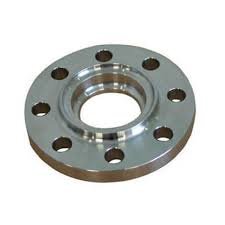
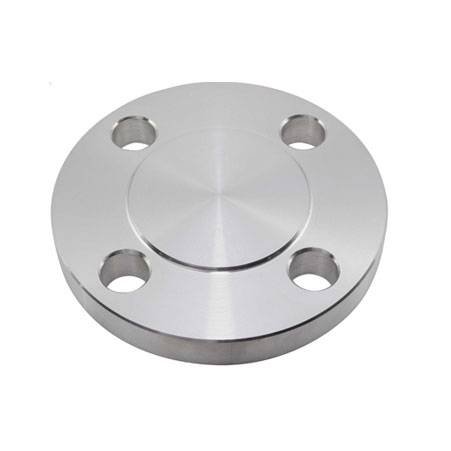
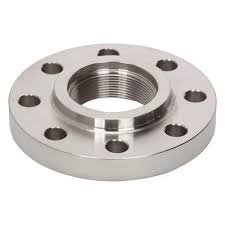
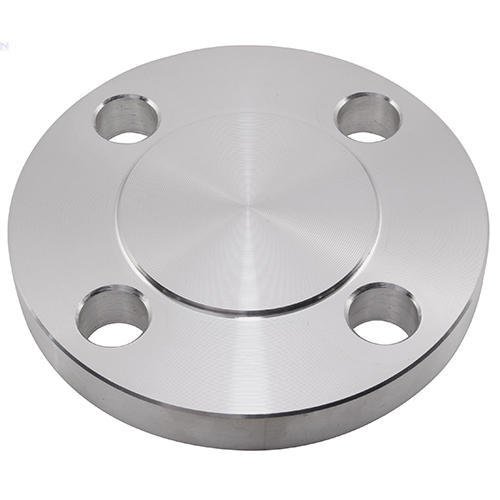
Key Features of Inconel 625 Lapped Joint Flanges
- Manufactured for compatible UNS N06625 Inconel 625 applications.
- Nickel-chromium-molybdenum-niobium alloy construction.
- High corrosion resistance in many demanding environments.
- Suitable for selected high-temperature and corrosive services.
- Lapped joint design can simplify flange alignment.
- Loose flange arrangement can support easier maintenance and dismantling.
- Available according to required dimensions and pressure classes.
- Suitable for international industrial procurement.
- Available with project-specific inspection and documentation requirements.
Why Choose Inconel 625 for Lapped Joint Flanges?
Inconel 625 is widely recognized as a corrosion-resistant nickel alloy with a combination of strength and resistance to various forms of corrosion. Its alloying system includes nickel, chromium, molybdenum and niobium, which contributes to its performance in demanding service environments.
The material can be considered for applications involving chloride-containing environments, seawater exposure and various chemical processing conditions. Actual material suitability depends on the specific service environment, including chemical concentration, temperature, pressure, contaminants and operating conditions.
The use of a lapped joint configuration can provide additional installation and maintenance advantages. Because the loose flange can rotate, bolt-hole alignment can be easier during assembly compared with some fixed flange arrangements.
UNS N06625 Inconel 625 Lapped Joint Flanges Specifications
| Parameter | Specification / Option |
|---|---|
| Product | UNS N06625 Inconel 625 Lapped Joint Flanges |
| Material | Inconel 625 / Nickel Alloy 625 |
| UNS Designation | N06625 |
| Flange Type | Lapped Joint / Lap Joint Flange |
| Applicable Material Standard | ASTM B564 or applicable project specification |
| Dimensions | As required by applicable flange standard |
| Pressure Class | As specified by project |
| Facing | As specified |
| Size | As required |
| Inspection | As specified in purchase order |
| Certification | Material and inspection documents as required |
ASTM B564 is the ASTM specification covering wrought nickel and nickel-alloy forgings and includes alloys such as UNS N06625. The exact applicable specification, product form and requirements should be confirmed for the specific purchase order and project.
ASTM B564 Inconel 625 Lapped Joint Flanges
ASTM B564 is commonly referenced for wrought nickel and nickel-alloy forgings, including components manufactured from applicable nickel alloys. When UNS N06625 Inconel 625 is specified for forged flange components, the purchaser should clearly state the required alloy, product form, dimensions, pressure rating and supplementary requirements.
For critical applications, buyers should also identify the applicable ASME, MSS, API or other project standards governing flange dimensions, pressure-temperature ratings, facing and testing. Material specifications and dimensional standards serve different purposes and should not be treated as interchangeable.
Inconel 625 Lapped Joint Flange Dimensions
Dimensions for lapped joint flanges depend on the selected flange standard, nominal pipe size, pressure class, facing configuration and project requirements. Common procurement information includes nominal diameter, outside diameter, flange thickness, bolt-circle diameter, number and size of bolt holes and bore dimensions.
For accurate manufacturing or supply, customers should provide the applicable dimensional standard and flange drawing whenever possible. This avoids confusion between different international standards and pressure classes.
| Dimensional Requirement | Customer Specification |
|---|---|
| Nominal Size | As required |
| Outside Diameter | According to applicable standard |
| Flange Thickness | According to pressure class and standard |
| Bolt Circle | As specified |
| Bolt Holes | As specified |
| Facing | As required |
| Bore | As required for mating stub end |
Applications of UNS N06625 Inconel 625 Lapped Joint Flanges
UNS N06625 Inconel 625 Lapped Joint Flanges may be considered for industrial applications requiring corrosion resistance and specialized nickel alloy performance. Their use should always be based on engineering evaluation of the actual operating environment.
- Oil and gas processing facilities.
- Offshore oil and gas installations.
- Petrochemical plants.
- Chemical processing equipment.
- Marine engineering systems.
- Seawater handling systems.
- Desalination plants.
- Power generation facilities.
- Pollution-control systems.
- Specialized process piping.
- Industrial equipment exposed to corrosive environments.
Inconel 625 Lapped Joint Flanges for Oil and Gas
Oil and gas facilities can operate under high pressure, elevated temperature and corrosive service conditions. Piping components must therefore be selected carefully according to the process fluid and applicable design codes.
Inconel 625 may be considered for selected oil and gas services where corrosion resistance and mechanical performance are important. Lapped joint flange arrangements can also be useful where alignment and repeated disassembly are considerations.
For sour-service or other critical applications, the purchaser should specify all applicable requirements, including project standards, material requirements and any NACE or other service-specific requirements where applicable.
Inconel 625 Lapped Joint Flanges for Petrochemical Plants
Petrochemical facilities handle hydrocarbons, chemicals, high temperatures and pressurized process streams. Specialized nickel alloys can be selected for piping components exposed to corrosive process environments.
UNS N06625 Inconel 625 Lapped Joint Flanges can be considered where the project specification identifies Inconel 625 as the required flange material. Correct gasket, stub-end, bolting and flange-facing selection is also important for reliable piping-system performance.
Inconel 625 Lapped Joint Flanges for Chemical Processing
Chemical processing equipment can experience aggressive media, temperature variations and demanding pressure conditions. Inconel 625 is used in numerous corrosion-resistant applications because of its nickel-chromium- molybdenum-niobium composition.
When selecting UNS N06625 flanges for chemical service, engineers should review the chemical composition, concentration, temperature and pressure of the process medium. Compatibility should be confirmed before the final purchase.
Inconel 625 Flanges for Marine and Offshore Applications
Marine and offshore environments can expose piping components to seawater, chloride ions, moisture and other corrosive conditions. Nickel alloys such as Inconel 625 can be considered for suitable marine applications.
The lapped joint configuration may be useful where installation alignment and maintenance requirements make a rotatable flange arrangement advantageous.
Inconel 625 Lapped Joint Flanges for Desalination
Desalination facilities handle seawater and concentrated brine streams. These environments require careful consideration of corrosion resistance and material compatibility.
UNS N06625 may be selected for suitable components in desalination systems when supported by the project engineering specification. The actual service conditions should be evaluated before material selection.
UNS N06625 Inconel 625 Lapped Joint Flanges – Middle East Exporter
The Middle East has extensive oil and gas, petrochemical, refining, marine, desalination and infrastructure projects. These industries can require specialized corrosion-resistant piping components.
Synergy Engineering Solution supplies industrial products to international customers with a strong focus on Middle East markets, including:
- United Arab Emirates (UAE).
- Saudi Arabia.
- Oman.
- Qatar.
- Kuwait.
- Bahrain.
- Other international destinations.
Customers from the Middle East can send their required flange size, pressure class, material specification, quantity, inspection requirements and delivery location to our sales team for quotation evaluation.
UNS N06625 Inconel 625 Lapped Joint Flanges Worldwide Exporter
As a worldwide exporter of UNS N06625 Inconel 625 Lapped Joint Flanges, Synergy Engineering Solution supports international procurement requirements for distributors, EPC contractors, engineering companies, fabricators and industrial users.
Our export-oriented supply process can accommodate requirements related to product identification, material certification, inspection, marking, packaging and shipping documentation as specified by the customer.
Whether the requirement is for a single replacement component, project quantity or regular industrial procurement, customers can submit detailed technical specifications for evaluation.
Quality Assurance for Inconel 625 Lapped Joint Flanges
Quality assurance is an important part of nickel alloy flange procurement. The required inspections and documents should be established by the purchase order and applicable product standards.
- Material grade verification.
- Chemical composition verification.
- Mechanical property verification where applicable.
- Dimensional inspection.
- Visual examination.
- Surface inspection.
- Positive Material Identification where specified.
- Heat-number traceability.
- Material Test Certificate.
- Third-party inspection where required.
- Marking and identification.
- Export packaging according to customer requirements.
Material Test Certificate for UNS N06625 Flanges
A Material Test Certificate, when required, provides traceability and material information associated with the supplied product. Depending on the applicable specification and purchase order, documentation may include chemical composition, mechanical properties, heat number, product identification and inspection results.
For project procurement, buyers should clearly identify documentation requirements before order confirmation. Additional inspection certificates can be arranged when specified in the purchase order.
Why Choose Synergy Engineering Solution?
Synergy Engineering Solution is focused on supplying specialized industrial products to domestic and international customers. Our product and export approach is designed to support engineering, procurement and industrial requirements.
- Leading manufacturer, stockist and exporter.
- Specialized nickel alloy product supply.
- UNS N06625 Inconel 625 product availability.
- Worldwide export support.
- Strong Middle East export focus.
- Support for EPC and industrial projects.
- Specification-based quotation support.
- Inspection and certification support as required.
- International procurement assistance.
- Customer-focused technical enquiry handling.
How to Order UNS N06625 Inconel 625 Lapped Joint Flanges
For an accurate quotation, customers should provide complete technical and commercial information. This helps ensure that the proposed flange matches the project requirement.
- Material: UNS N06625 / Inconel 625.
- Flange type: Lapped Joint Flange.
- Nominal pipe size.
- Pressure class.
- Applicable dimensional standard.
- Facing requirement.
- Stub-end specification.
- Quantity required.
- Inspection requirements.
- Material certification requirements.
- Delivery location.
- Required delivery schedule.
Frequently Asked Questions – UNS N06625 Inconel 625 Lapped Joint Flanges
1. What are UNS N06625 Inconel 625 Lapped Joint Flanges?
They are lapped joint flange components specified for compatible UNS N06625 Inconel 625 piping applications. A lapped joint arrangement generally uses a loose flange with a corresponding lap-joint stub end.
2. What is the UNS number for Inconel 625?
The UNS designation for Inconel 625 is N06625.
3. What material is used for Inconel 625 Lapped Joint Flanges?
The specified alloy is UNS N06625, commonly known as Inconel 625 or Nickel Alloy 625.
4. What is the advantage of a lapped joint flange?
The loose flange can rotate around the pipe axis, which can make bolt-hole alignment easier during installation and maintenance. The exact suitability depends on the piping design.
5. What standard is used for Inconel 625 flange material?
ASTM B564 is a commonly referenced specification for wrought nickel and nickel-alloy forgings, including applicable UNS N06625 products. The project specification should determine the exact material and dimensional standards.
6. Where are Inconel 625 Lapped Joint Flanges used?
They can be considered for selected oil and gas, petrochemical, chemical processing, marine, offshore, desalination, power and specialized industrial applications.
7. Does Synergy Engineering Solution export Inconel 625 flanges worldwide?
Yes. Synergy Engineering Solution supplies industrial products to international customers and has a strong focus on worldwide export markets, including the Middle East.
8. Does Synergy Engineering Solution supply Inconel 625 flanges to the Middle East?
Yes. We support enquiries from UAE, Saudi Arabia, Oman, Qatar, Kuwait, Bahrain and other Middle East destinations, subject to the specific order and delivery requirements.
9. What information is required for an Inconel 625 flange quotation?
Customers should provide material grade, flange type, nominal size, pressure class, dimensional standard, facing, quantity, inspection requirements, certification requirements and delivery location.
10. Can inspection documents be supplied?
Inspection and material documentation can be provided according to the applicable material specification and purchase-order requirements.
11. Are Inconel 625 Lapped Joint Flanges suitable for seawater applications?
Inconel 625 can be considered for suitable marine and seawater-related applications because of its corrosion resistance. Final suitability must be confirmed against the actual service environment and engineering specification.